Between Marlow, Bourne End, Cookham and Maidenhead, the Thames runs past some of the most desirable riverside homes in the area. Many are Victorian and Edwardian villas, cottages and boathouses, and being close to the river affects how they deal with damp.
A high water table
Low-lying riverside land often has a water table that rises after prolonged rain and when the river is high. This puts moisture pressure on ground floors and any cellars or basements, and can bring damp up into walls.
Flooding
Parts of Maidenhead, Cookham and the riverside villages lie in the Thames flood plain and have flooded in past wet winters. Walls soaked by floodwater can hold moisture and salts for a long time, causing damp patches and failing plaster long after the water has gone.
Period homes
Older properties often have original slate damp proof courses that have failed with age, or none at all. Raised garden levels, paths and patios can bridge whatever damp proof course there is.
Common findings
- Rising damp and salt staining on ground floor walls
- Damp cellars and basements, worse in wet winters
- Timber decay in suspended floors with poor ventilation
- Penetrating damp on exposed, riverside elevations
The right treatment
Below-ground rooms near the river usually need a designed waterproofing system, often a cavity drain membrane with drainage and a pump. Above ground, rising damp is treated with a new damp proof course and salt-resistant plaster, and external defects are repaired to stop the damp returning.
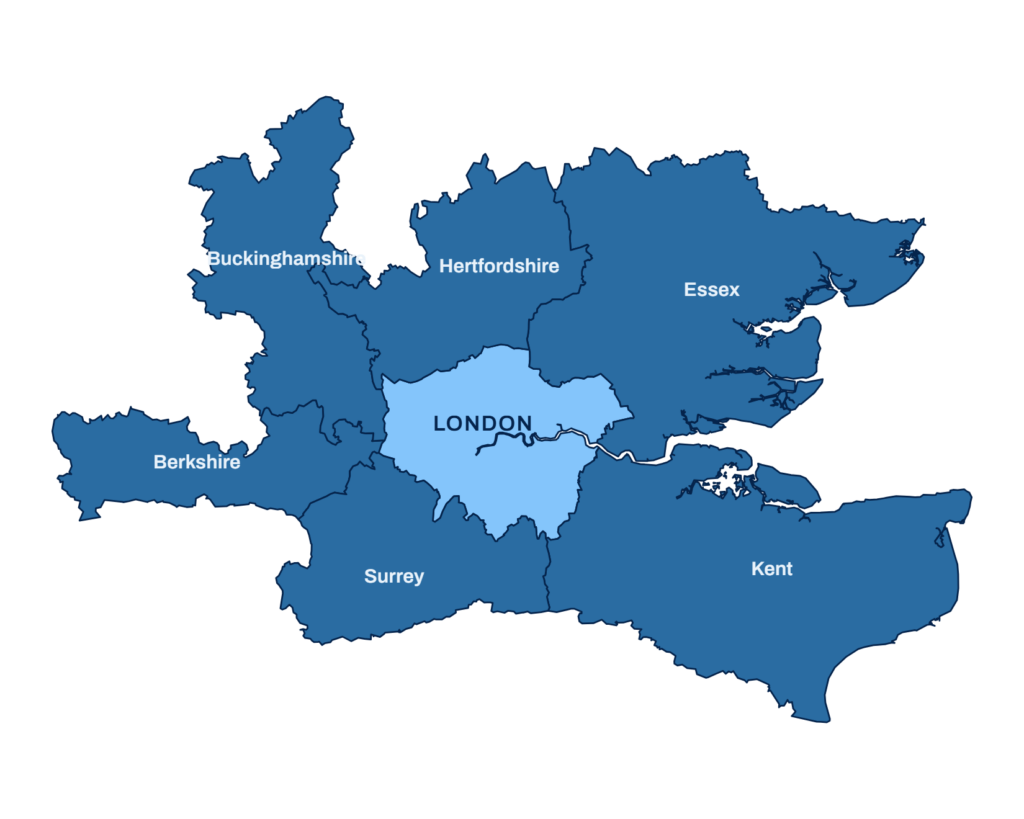
We cover all of Berkshire and neighbouring south Buckinghamshire, including Marlow. See damp proofing in Berkshire and basement waterproofing in Berkshire.