Symptom guide: what could it be?
Many damp and timber problems look alike at first glance. Use this guide alongside the quiz to understand the likely cause, then book a survey to confirm it.
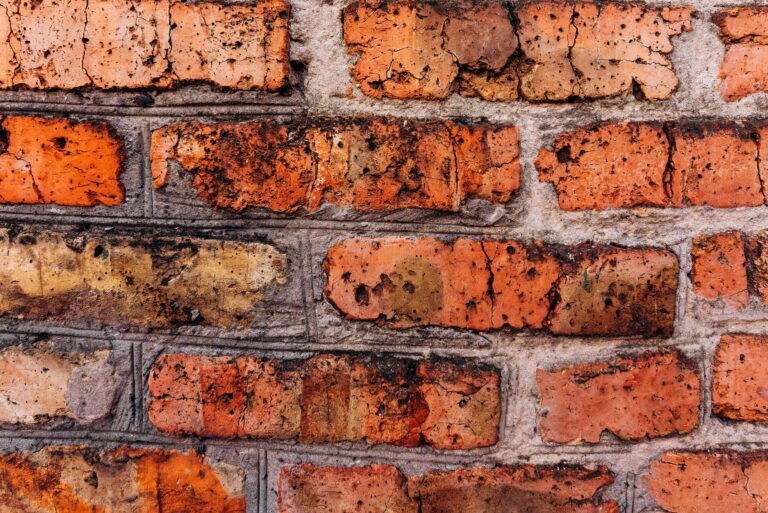
Tide marks and salty plaster low on the wall
Most likely: rising damp. Ground moisture rising above a failed or bridged damp proof course.
Damp patches that get worse after rain
Most likely: penetrating damp from gutters, pointing, render or the roof.
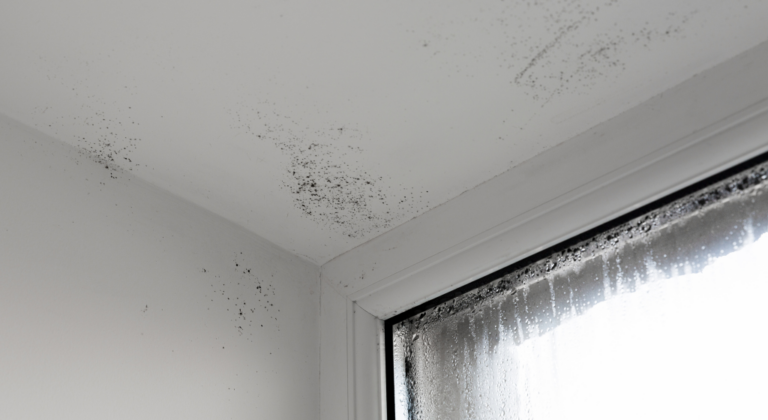
Black mould, streaming windows, worse in winter
Most likely: condensation caused by moisture and poor ventilation.
Mould on clothes, curtains or inside wardrobes
Most likely: condensation and high humidity, often in bedrooms with external walls.
A musty smell you can’t place
Could be: condensation, hidden damp, a damp sub-floor or timber decay under the floor. Worth a survey.
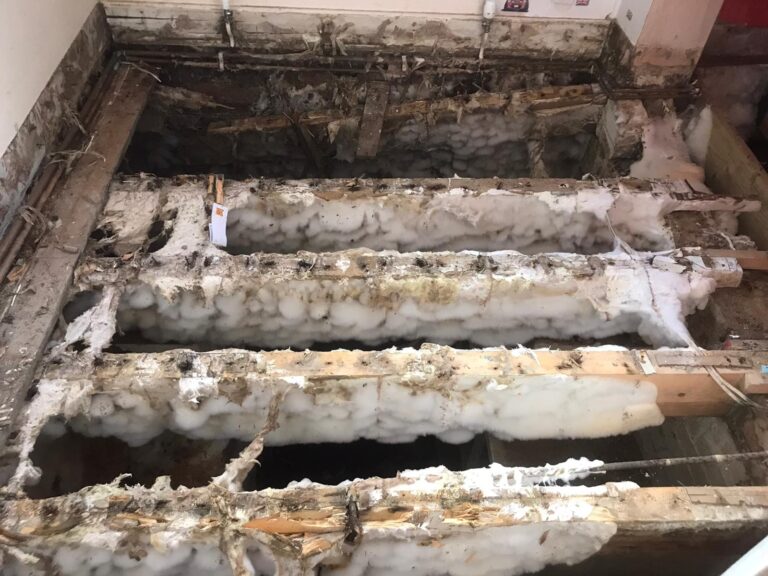
Timber cracked into cubes, white growth or grey strands
Most likely: dry rot. Act quickly, as it can spread through masonry.
Small round holes and powdery dust in wood
Most likely: woodworm. Fresh dust suggests an active infestation.
Soft, dark, spongy timber near a leak
Most likely: wet rot, caused by timber staying wet.
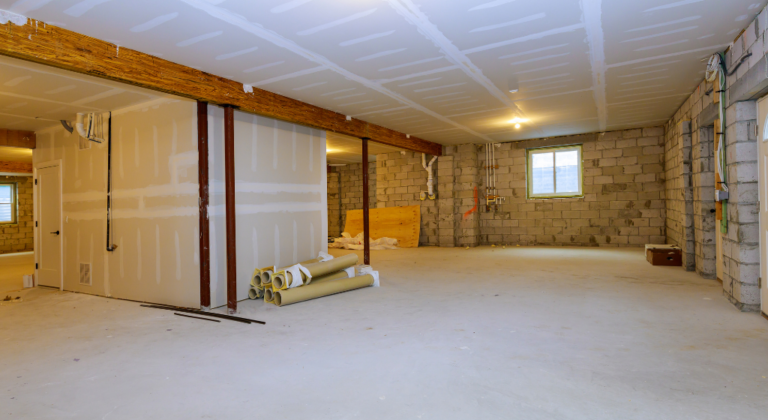
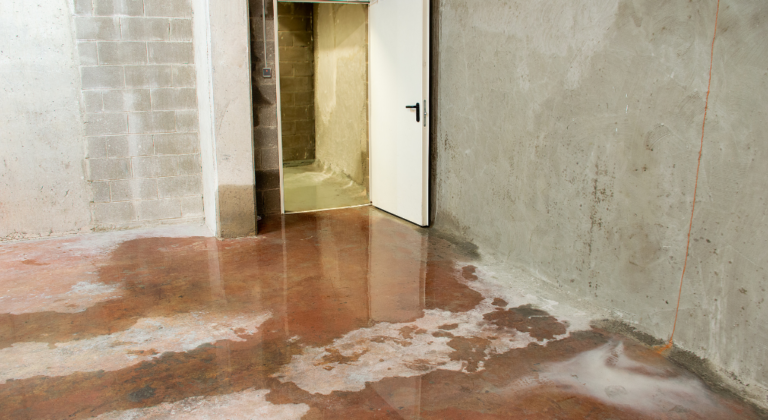
Wet walls or puddles in a basement or cellar
Most likely: water ingress under ground pressure. A damp proof course alone won’t fix it.
Horizontal cracks every few rows of bricks
Most likely: corroding cavity wall ties.
A recent leak, burst pipe or flood
Act now: the structure needs drying and monitoring before repairs.
Buying a house and the survey flagged damp
You need: a specialist damp and timber report for your lender.
Frequently asked questions
Is the quiz a diagnosis?
No. It is a guide to help you understand what might be going on. Damp and timber problems often look alike, so a specialist survey confirms the cause before we recommend any treatment.
Can I have more than one problem?
Yes, and it is common. Penetrating damp can lead to wet rot, a leak can trigger mould, and condensation and rising damp can occur in the same house. Our surveys look at the whole picture.