
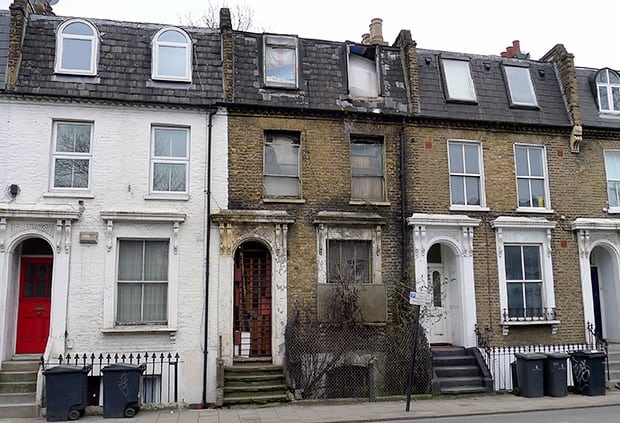
If you are considering buying an old property, you should expect there to be some issues, especially if you know it needs renovation work, then you are ready for a jobs list. But there’s one problem that you need to pay special attention to when purchasing an old house – damp.
Spotting damp issues
Many older houses come with a few potential damp issues including rising damp due to there not being a damp proof course, penetrating damp from broken roofing materials and even issues like wet rot or dry rot. The biggest problem with these issues isn’t so much that they exist but that they can often be misdiagnosed – that’s why you need a damp expert involved at an early stage to truly identify and understand the damp problems in an old property.
Take rising damp. This is where groundwater rises up through brickwork and can reach a level of around 1.5m high. It is a natural process but one you can stop by installing damp proof course DPC. It might surprise you to know that the concept of a DPC has been around since before the 1870’s but even these can be a problem. For example, materials that were used didn’t last or the DPC may have been bridged over time. Either of these can lead to rising damp. It is also worth noting that often, what is thought to be rising damp, is actually not. One classic example is of this is wall plaster that has been contaminated by hygroscopic salts. These absorb moisture from the atmosphere and always remain damp
Fixing damp problems
Fixing damp problems in older properties also needs to be tackled differently with old than newer ones. The modern approach to dealing with a failed DPC and rising damp is to inject a liquid silicone DPC into the mortar joints, via lots of small holes in the mortar. This creates a new barrier that stops the rising water and solves the problem. This is sometimes not suitable on thick stone walls, which are often used in old buildings, so these have to be damp-proofed differently, often using ventilated membranes
Sometimes the problems encountered, are created by people with good intentions but lacking expertise and trying to deal with them, as you would a new house. Other times, people have done things to the house that have caused problems – using acrylic paints on walls which prevents it from breathing, is a classic. Old houses need to breathe to minimise problems with damp inside but by using acrylic and waterproofing paints, it stops this and causes the very problem you are trying to avoid.
Ventilation to prevent condensation
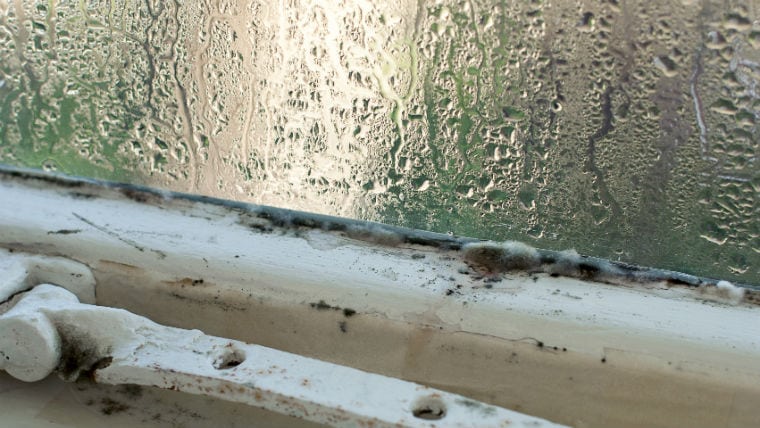
The problem with poor ventilation and condensation is not so common within the older property as it is in newer ones. Most older properties have open fires and natural ventilation so they tend to have fewer problems with high humidity, whereas newly build properties are almost sealed and trap moisture inside them.
Open fireplaces act as ventilation, allowing warm and moist air travel up it and disperse outside. Block this and that warm air has nowhere to go, instead of releasing the moisture onto walls and causing condensation.
If air bricks are blocked off, or people cover them without realising their full purpose, this will also trap moisture.
Rain Penetration
With old houses, rain penetration is one of the more straightforward problems to spot and deal with. Causes are often broken or slipped roof tiles, porous bricks, defective guttering and downpipes and defective, hollow rendering. This allows water to penetrate the property and cause damp walls and internal damage. Any form of damp can also lead to wet rot or even worse, the dreaded dry rot. So, if there are any signs of penetrating damp, get an expert to also look for signs of these damaging fungal conditions.
Conclusion
An old house doesn’t automatically have a problem with rising damp and often it is due to something completely different. Whatever the cause, if the property is a listed building, English Heritage will need to be involved in all methods of repair, before they can be commenced.