

Key Takeaways: Mould becomes more common in January because cold weather, poor ventilation and trapped indoor moisture create perfect conditions for growth. Understanding why it happens helps prevent and treat it.
- Mould thrives in moist, poorly ventilated environments where condensation forms on cool surfaces.
- Everyday activities like cooking and showering add moisture to indoor air.
- Closed windows and reduced ventilation in winter trap humidity inside the home.
- Improving ventilation and reducing moisture build-up are key to preventing mould.
- Persistent mould may indicate an underlying damp problem that needs professional attention.
Mould is a common issue in UK homes, particularly during the winter months. You might notice patches of black or grey spots appearing on your walls, ceiling, floor, skirting boards, furniture and even soft furnishings.
Mould not only looks unsightly, but it can also lead to health problems for residents. Mould is known to trigger breathing problems along with skin and eye irritation. If you’ve spotted mould in your home, there are lots of things you can do to help stop this issue in its tracks.
By first understanding the cause of your mould issue, you can take action to help prevent this from taking hold in your home. Read on to learn why you get mould in your home – particularly in January – and what you can do to help prevent this issue.
| Topic | Key Point |
|---|---|
| Why January? | Cold weather, closed windows and higher indoor moisture make this month ideal for mould growth. |
| Condensation Factors | Warm indoor air meets cold surfaces, creating water droplets that encourage mould. |
| Everyday Moisture Sources | Cooking, showers, and drying clothes indoors add humidity to the air. |
| Ventilation Importance | Fresh air circulation helps expel moisture before it can condense and feed mould growth. |
| When to Seek Help | If mould keeps returning despite ventilation, it may signal rising damp or structural moisture issues. |
What causes mould?
Mould is a kind of fungus that thrives in moist conditions. This is why a mould problem is nearly always seen alongside a moisture problem. Poor ventilation can allow moisture to build up in your home, and this will eventually settle on surfaces. When this happens, it creates the ideal conditions for mould to spread.
Moisture is often present in homes due to everyday activities like cooking or showering. We also expel moisture when breathing, which is why bedroom windows can often be misty in the morning.
If you have good ventilation in your home, this moisture will easily be able to escape, so it won’t build up in your home and settle on surfaces. In January, you’re more likely to avoid opening the windows, which can cause moist air to become trapped in your home.
The weather is also colder, which means that moisture will condense and settle on cooler surfaces like walls and your ceiling. It can also build up on windows, leading to black mould around your window seals.
What can you do to prevent mould?
Ventilation is the key to preventing mould, but it’s also a good idea to check if there is an underlying issue with moisture in your home. If you have a damp problem, then no amount of ventilation is going to help your cause. A home survey will help to quickly identify if you have an underlying damp problem.
Once you have ruled out damp as a cause, you can then look at ventilation in your home. Many methods for insulating your home can block ventilation, which can cause moist air to become trapped in your home.
This issue is much worse in winter, and particularly in the coldest month of January, as you are far less likely to leave your windows open. You might also run your shower a little hotter, and keep windows closed while you are cooking.
Cold Weather Traps Moisture
When temperatures drop and windows stay closed, moisture gets trapped indoors, feeding condensation and mould growth.
Prevention is Better than Cure
Consistent heating, regular ventilation and early damp treatment help keep your home mould-free through the winter months.

What improves ventilation in the home?
There are a few simple steps you can take to improve ventilation in your home so that moisture cannot build up and mould cannot thrive. These include:
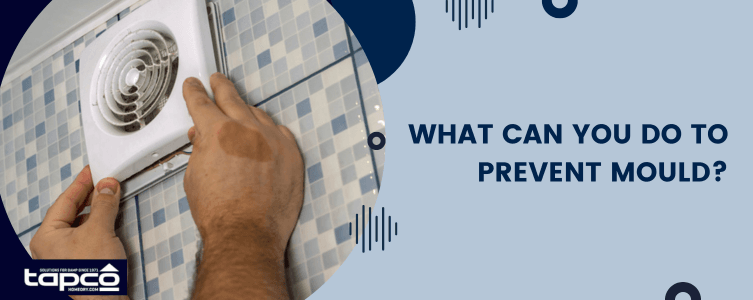
– Always use exhaust fans when cooking and when showering. This will help to remove excess moisture from problem areas in your home. If you don’t have extractor fans, try keeping a window open, or open a window when you get out of the shower.
– First thing in the morning, open your bedroom windows for 5 minutes. This is a method called shock ventilation, which quickly removes moist air from the room and allows fresh air in. Don’t worry about the space becoming cold, as it will soon return to temperature once you close the windows again.
– Place moisture traps in areas of your home with poor ventilation, such as large wardrobes and cupboards. These small boxes contain moisture-trapping materials that help to extract moisture from the air.
– Use dehumidifiers if you find that excess moisture in your home is becoming difficult to manage. These electrical appliances filter the air, extracting moisture and circulating dry air. They are highly effective for addressing a moisture and mould problem in your home.
– Avoid drying laundry indoors, and use a dehumidifier if you can’t avoid this. Drying laundry indoors is one of the top reasons for high humidity and mould problems. If the air is too moist, your clothes will also take much longer to dry, which can cause them to develop a musty smell.
How to get rid of mould
If you already have mould in your home, it’s essential to clean this up so that it doesn’t cause further problems. Mould can be addressed with various methods, including:
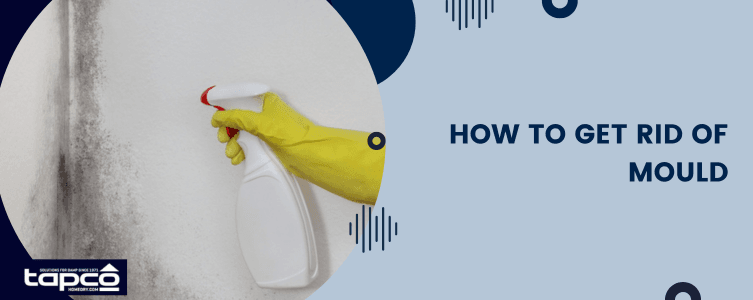
– Spray the area with a bleach solution to kill the mould spores. Specialist mould and mildew sprays are also highly effective for addressing the issue. Test the spray on an inconspicuous area, and avoid spraying on fabrics or soft furnishings, as it will cause damage.
– If the mould has penetrated the paint, you will need to repaint using a specialist anti-mould paint. This helps to inhibit the growth of mould, providing an extra layer or protection.
– Mould can cause damage to clothing, furniture, soft furnishings and other items. Specialist cleaners may be required to reverse the damage. If the damage is too extensive, you’ll need to throw away damaged items, as keeping them can be a health hazard.
– Moving large items of furniture away from exterior walls can help to improve ventilation and prevent moisture build up in out of sight areas.
– Make sure you heat your home evenly, if you only heat certain rooms, moist air will be drawn to the coldest parts of your home.
When to get professional help
If you have tired DIY methods for reducing moisture in your home and it is still excessively damp, there could be an underlying issue that needs to be addressed. If you are emptying your dehumidifier multiple times per day, this could indicate that there is a damp issue that is overwhelming your mould prevention methods. A home survey can help you to get to the heart of the issue and understand what is going on.
Highlights
- Mould problems peak in January
- Triggered by trapped moisture and poor airflow
- Condensation on cold surfaces is a major cause
- Daily activities increase indoor humidity
- Ventilation and heating help prevent mould
- Professional inspection may be needed for recurring issues
FAQs