- Services
SUSPECT A PROBLEM? VIEW THE SERVICE YOU NEED
Avoid unnecessary additional cost by contacting us without delay.


Avoid unnecessary additional cost by contacting us without delay.

Key Takeaways: Condensation is a common winter issue for London flat owners, caused by trapped humidity, poor ventilation and indoor drying. Understanding the causes and improving air flow can help stop it returning. Condensation forms when warm, moist air cools and settles on cold surfaces. Flats are more prone to condensation due to limited ventilation…
Read More

Key Takeaways: Buying a house in winter helps reveal damp issues early. While damp can nearly always be treated, it’s important to understand the scale, cost, and impact before committing to the purchase. Winter exposes hidden damp problems that may be less visible in summer. A damp property can still be a sound investment if…
Read More

Key Takeaways: Mould becomes more common in January because cold weather, poor ventilation and trapped indoor moisture create perfect conditions for growth. Understanding why it happens helps prevent and treat it. Mould thrives in moist, poorly ventilated environments where condensation forms on cool surfaces. Everyday activities like cooking and showering add moisture to indoor air….
Read More

Key Takeaways: A simple 5-minute test can help you distinguish between a condensation problem and a more serious underlying damp issue. Condensation often responds to ventilation, while rising damp will persist until the moisture source is fixed. Condensation is caused by moist air settling on cool surfaces and is often resolved with ventilation and humidity…
Read More

Key Takeaways: Victorian homes have unique construction and ventilation characteristics, so controlling condensation and damp in them requires bespoke solutions. Solid wall construction, minimal early damp-proofing and limited ventilation make Victorian homes prone to moisture and cold walls. Condensation occurs when moist internal air meets cold surfaces — common in period homes with large masonry…
Read More

Key Takeaways: Understanding the difference between condensation and damp is vital for applying the right treatment and avoiding long-term damage. Condensation occurs when moist indoor air meets a cold surface and releases water droplets. Damp usually refers to moisture entering from external sources, such as rising or penetrating damp. Condensation often appears as mould or…
Read More

Key Takeaways: Condensation in flats is common but manageable. With the right ventilation, moisture control and lifestyle changes, you can keep air dry, surfaces clear and mould at bay. Condensation happens when warm, moist air meets cooler surfaces – typical in flats with poor ventilation. Drying clothes indoors or high occupancy raise humidity levels –…
Read More

Key Takeaways: Condensation in your home can hide major costs — to décor, health, energy bills and even the structure itself. Understanding its effects and acting early makes all the difference. Excess moisture from everyday activities can lead to condensation and mould, not just a misted window. Unchecked condensation can raise heat demand, damage furniture,…
Read More

Key Takeaways: As October brings cooler outside temperatures and indoor moisture building up, condensation often becomes worse. Early action prevents mould, damage and discomfort. Outside temperatures drop, making indoor surfaces colder and increasing condensation risk. People spend more time indoors, producing more moisture from cooking, showers and drying clothes. Reduced natural ventilation in autumn traps…
Read More
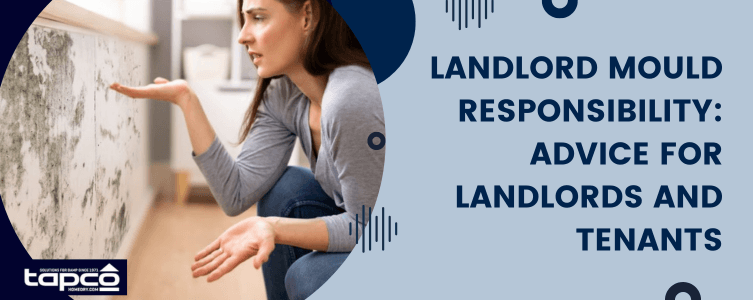
Key Takeaways: Mould in rental properties can stem from landlord responsibility, tenant behaviour, or both. Clear communication, good property maintenance, and shared responsibility are essential to prevent mould and safeguard property and health. Structural issues like leaks, penetrating rising damp or faulty gutters are generally the landlord’s responsibility. Everyday habits—poor ventilation, not heating the property,…
Read More








Tapco (Preservation) Ltd is an Introducer Appointed Representative (Financial Services Register No. 423558) of Phoenix Financial Consultants Limited (Phoenix). Phoenix is a credit broker, not a lender. Phoenix is authorised and regulated by the Financial Conduct Authority (FRN: 539195), and offers finance from its panel of lenders. All finance subject to status and credit checks.

 Damp Proofing
 Basement Damp Proofing
 Water Damage
 Condensation Control
 Dry Rot Treatment
 WOODWORM & WET ROT
 CAVITY Wall Ties
 Property Maintenance
 Waterproofing And Tanking
 Structural Repairs